
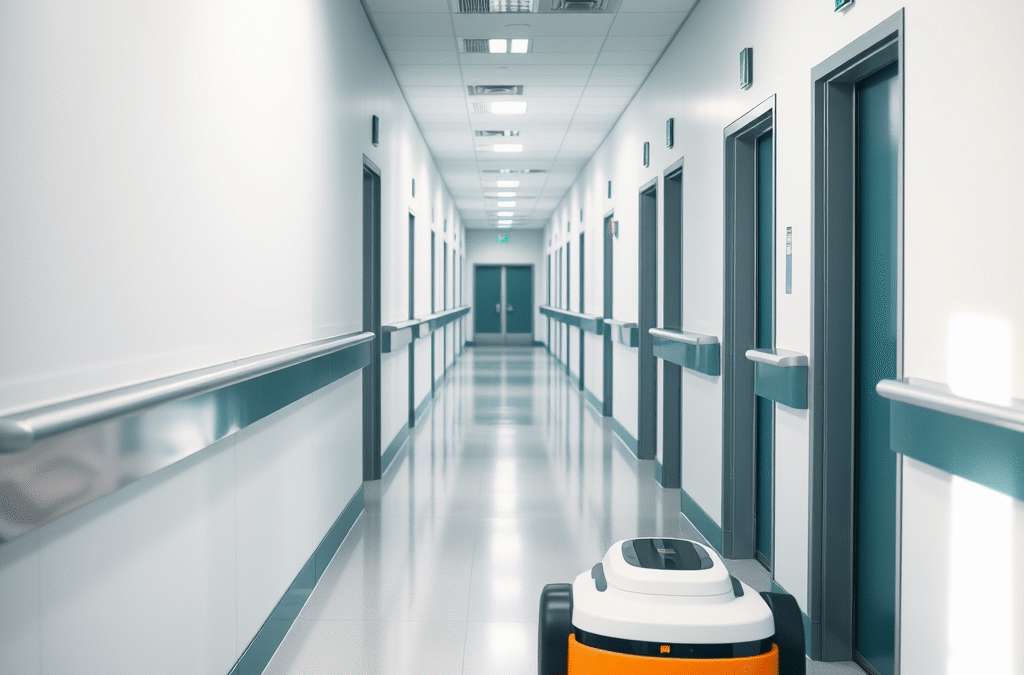
UVC vsChemical Disinfection: Hospital Cleaning Methods Comparison
Summary
UVC light and chemical disinfectants are two main ways hospitals clean surfaces. This guide explains how each works, their safety for patients and staff, effectiveness against germs, cost, and real‑world use. By the end you’ll know which method is safer for most hospital settings and how to combine both for optimal infection control.
Introduction
Hospitals must keep surfaces free of harmful microbes. Two popular approaches are ultraviolet‑C (UVC) light and chemical disinfectants. Both have strengths and weaknesses. This article breaks down the uvc vs chemical disinfection debate in plain language. You’ll learn what each method does, how it affects safety, and which fits best in modern hospitals.
What Is UVC Disinfection?
How UVC Light Works
UVC light has a wavelength between 200 and 280 nanometers. This short wavelength damages the DNA or RNA of bacteria and viruses. When pathogens are exposed, they cannot reproduce. The result is a simple, chemical‑free kill step.
- Direct exposure kills microbes instantly. – No residue remains after the light turns off.
- Penetrates only shallow surfaces; shadows stay unexposed.
Types of UVC Systems Used in Hospitals
- Fixed UVC fixtures – installed on walls or ceilings to treat whole rooms.
- Portable UVC devices – carts that move from room to room.
- UVC robots – autonomous machines that navigate corridors.
Each type requires careful placement to avoid direct human exposure.
What Are Chemical Disinfectants?
Common Chemical Categories
- Alcohol‑based solutions – fast‑acting for low‑level surfaces.
- Quaternary ammonium compounds (quats) – used on high‑touch items.
- Hydrogen peroxide – strong oxidizer, works on many pathogens.
- Chlorine bleach – powerful but corrosive and odorous.
Application Process
- Clean the surface with soap and water.
- Apply the disinfectant evenly. 3. Leave it on for the required “contact time” (often 1–10 minutes).
- Wipe off or let dry, depending on the product.
Chemical disinfectants leave residues that can irritate skin or lungs if not fully removed. ## Safety Comparison
Human Exposure Risks
| Factor | UVC Disinfection | Chemical Disinfection |
|——–|——————|———————–|
| Direct contact with staff | None required after setup | Frequent handling of chemicals can irritate skin and lungs |
| Respiratory irritation | Low, but UVC can damage eyes if not shielded | Possible if fumes are strong |
| Residual chemicals | None | Residue may remain, requiring extra rinsing |
Environmental Impact
- UVC relies on electricity but produces no waste.
- Chemicals generate hazardous waste that must be stored and disposed of safely.
Occupational Health
Regular exposure to harsh chemicals can cause asthma or dermatitis. UVC eliminates the need for those chemicals, reducing long‑term health risks. ## Effectiveness Against Pathogens
Bacteria
- UVC: 99.9% reduction of common hospital bacteria like MRSA when exposed for a few seconds.
- Chemicals: Most disinfectants achieve similar kills when left on for the proper time.
Viruses
- UVC: Effective against influenza, norovirus, and SARS‑CoV‑2 when the virus is directly illuminated.
- Chemicals: Alcohol‑based solutions and bleach are also effective, but some viruses can hide in organic matter, reducing potency.
Spores
- UVC: Limited; spores are highly resistant and may need prolonged exposure. – Chemicals: Hydrogen peroxide and bleach can destroy spores if used correctly.
Cost and Practical Considerations
Upfront Investment
- UVC equipment can cost from $5,000 to $30,000 depending on size and automation.
- Chemical supplies are cheaper initially but require continuous restocking.
Ongoing Expenses – UVC incurs electricity costs and occasional bulb replacement.
- Chemicals need perpetual purchase, storage, and safe disposal fees.
Staff Training
- UVC devices need training on placement and safety protocols.
- Chemical use requires training on proper dilution, contact time, and PPE. ### Maintenance
- UVC bulbs degrade over time and must be replaced roughly every 1,000 hours.
- Chemical containers can leak or expire, creating extra paperwork.
Real‑World Implementation in Hospitals
Step‑by‑Step Example
- Assess the room – Identify high‑touch surfaces and shadowed areas.
- Place UVC devices – Position them to cover as much surface as possible.
- Schedule a cleaning cycle – Run UVC for 10–15 minutes after patient discharge. 4. Validate exposure – Use UV dosimeters to confirm adequate dose.
- Document results – Record log entries for infection control audits.
Hybrid Approach
Many hospitals now use a two‑step process:
- First, clean the room with a chemical disinfectant to remove visible soil.
- Second, apply UVC to kill any remaining microbes in hard‑to‑reach spots.
This combination maximizes safety and effectiveness.
Regulatory and Guideline Insights
- CDC recommends UVC as an adjunct for terminal room decontamination.
- EPA lists many chemical disinfectants that meet hospital standards.
- OSHA sets exposure limits for UVC light to protect workers.
Hospitals must follow local regulations when installing UVC fixtures or storing chemicals.
Practical Tips for Choosing a Method
- Size of the facility – Large hospitals may benefit from robotic UVC systems.
- Budget constraints – Smaller clinics can start with portable UVC devices. – Space layout – Rooms with many shadows may need supplemental chemical cleaning.
- Staff comfort – Train staff on both methods to ensure smooth adoption.
Conclusion Both UVC light and chemical disinfectants have roles in hospital infection control. UVC offers a chemical‑free, low‑residue way to kill germs, improving staff safety and reducing waste. Chemical disinfectants remain essential for removing visible soil and tackling stubborn spores. The safest strategy often blends the two, using chemicals first and then adding UVC for an extra layer of protection. By understanding the uvc vs chemical disinfection trade‑offs, hospitals can choose the right mix for their needs and keep patients safer.
FAQs
Is UVC safe to use in patient rooms while people are present?
No. UVC should only be used when rooms are empty or after occupants leave, because direct exposure can harm eyes and skin.
Do chemical disinfectants leave any harmful residues?
Yes, some chemicals can leave films that irritate skin or lungs if not rinsed or allowed to dry properly. Can UVC kill the COVID‑19 virus effectively?
When the virus is directly exposed to sufficient UVC dose, it can be inactivated, but coverage depends on line‑of‑sight and exposure time.
Which method is cheaper in the long run? Costs vary, but UVC typically has higher upfront costs while chemicals require ongoing purchase and disposal expenses.
Do hospitals need special training for UVC devices?
Yes. Staff must learn proper placement, safety precautions, and how to maintain the bulbs.
Can UVC be used on delicate medical equipment?
UVC works best on flat, non‑porous surfaces; shining it on complex equipment can damage finishes or cause shadows.
Is there a risk of UVC causing cancer?
UVC does not cause skin cancer when used correctly, but exposure to eyes and skin should always be avoided.
How often should UVC bulbs be replaced?
Most bulbs lose effectiveness after about 1,000 hours of use and should be swapped out annually in high‑traffic settings.
What contact time is needed for chemical disinfectants?
It varies by product, but most require 1–10 minutes of wet surface time to achieve full kill rates.
Can UVC be used alongside chemical cleaning?
Absolutely. Many hospitals first clean with chemicals and then finish with UVC for added protection.
Are there any environmental benefits to using UVC?
Yes. UVC eliminates the need for hazardous chemical waste, reducing overall environmental impact.
Do chemical disinfectants work on all surfaces?
Most work on hard, non‑porous surfaces, but some may damage delicate electronics or fabrics if misused.
What happens if a UVC device malfunctions?
If a device fails, the room should be cleaned again using standard chemical disinfection until repair is completed.
Is it necessary to test UVC intensity regularly?
Yes. Periodic testing with a UV meter ensures the device delivers the required dose for effective disinfection.
—
If you found this guide helpful, consider sharing it with infection control teams or posting it on your hospital’s resource site.