
Reduce Hospital-Acquired Infections with UVC Technology: A Complete Guide – reduce hospitalacquired infections
Summary: UVC light can kill germs on surfaces, equipment, and air, offering a powerful way to reduce hospital‑acquired infections. By adding UVC disinfection to existing cleaning routines, hospitals can lower infection rates, extend patient safety, and cut costs. This guide explains how UVC works, why it matters for HAI prevention technology, how to choose the right devices, and the steps to use UVC safely and effectively.
Table of Contents
- Reduce Hospital-Acquired Infections with UVC Technology: A Complete Guide – reduce hospitalacquired infections
- What Are Hospital-Acquired Infections and Why Do They Matter?
- How UVC Light Works to Kill Germs
- Benefits of UVC for HAI Prevention Technology
- Implementing UVC in Healthcare Settings
- UVC Safety and Best Practices
- Choosing the Right UVC Devices
- Real‑World Examples of UVC Success
- Challenges and Limitations
- Future Trends in UVC HAI Prevention Technology
- Practical Takeaways for Beginners
- Final Thoughts
- FAQs
What Are Hospital-Acquired Infections and Why Do They Matter?
Hospital‑acquired infections, or HAIs, are infections patients get while receiving care for other conditions. reduce hospitalacquired infections is widely discussed by experts.
They can be caused by bacteria, viruses, or fungi that linger on surfaces, medical tools, or in the air.
Common examples include urinary tract infections, surgical site infections, and pneumonia linked to ventilators.
HAIs extend hospital stays, increase medical costs, and can be life‑threatening for vulnerable patients.
Because of these risks, hospitals constantly look for new HAI prevention technology that works alongside hand hygiene and traditional cleaning.
Key Points About HAIs- HAIs affect about 1 in 31 hospital patients in the United States each year.
- They add billions of dollars to healthcare expenses annually.
- Many of the microbes behind HAIs are resistant to standard antibiotics.
- Prevention is far cheaper and safer than treating an infection after it occurs.
How UVC Light Works to Kill Germs
UVC is a type of ultraviolet light with wavelengths between 200 and 280 nanometers.
When UVC photons strike microbial DNA or RNA, they cause lethal damage that stops the organism from reproducing.
Unlike chemical disinfectants, UVC leaves no residue and does not create chemical resistance.
The process is fast—often taking only a few minutes to treat a room or piece of equipment.
The Physics in Simple Terms
- UV photons = tiny packets of light energy.
- Microbial DNA = the instruction manual that tells a germ how to live and multiply.
- When UVC hits DNA, it breaks the chemical bonds that keep the instructions intact.
- A germ with broken instructions can no longer infect a new host.
Benefits of UVC for HAI Prevention Technology
1. Broad‑Spectrum Germ Killing
UVC can inactivate bacteria, viruses, and fungi, including drug‑resistant strains like MRSA and C. difficile.
2. Chemical‑Free Disinfection
No need for harsh cleaning agents. This reduces chemical exposure for staff and patients.
3. Rapid Turnover
A UVC cycle can be completed in 5–30 minutes, allowing rooms to be reused quickly.
4. Cost Savings Over Time
While the upfront cost of UVC devices is higher, hospitals save money by cutting infection‑related expenses. ### 5. Environmentally Friendly
UVC produces no waste, and the energy use is modest compared with continuous chemical cleaning.
Implementing UVC in Healthcare Settings
Step‑by‑Step Process
- Assess the risk areas – Identify high‑touch surfaces, patient rooms, operating rooms, and ventilation systems that need extra disinfection.
- Select the right UVC device – Choose a system that fits the space (portable units, ceiling‑mounted fixtures, or robot‑style robots).
- Train staff on safety – UVC can damage skin and eyes. Everyone must wear protective gear and follow clearance protocols.
- Schedule disinfection cycles – Typically run after patient discharge or during nightly cleaning.
- Validate effectiveness – Use portable air or surface monitors to confirm that microbial levels have dropped.
- Document each cycle – Keep logs for audit trails and to track infection‑rate trends.
Practical Tips for Beginners
- Start with a single portable UVC cart for a pilot ward before scaling up.
- Pair UVC with existing cleaning schedules; do not replace manual cleaning entirely.
- Place the device at the recommended distance (usually 2–4 feet from surfaces).
- Ensure the room is vacated and doors are closed to prevent exposure.
UVC Safety and Best Practices
Protecting People
- Never look directly at UVC light. Use shields or coverings on devices that emit upward light.
- Wear UV‑blocking eyewear and gloves when entering a treated space.
- Allow a “post‑exposure” period of 10–15 minutes after a cycle before re‑entering the room.
Device Placement
- Position the UVC emitter so that the light reflects off multiple surfaces for even coverage.
- For shadowed areas, rotate the device or use multiple units.
Maintenance
- Clean the UVC bulbs regularly; dust can block light output.
- Replace bulbs according to manufacturer recommendations (often after 1,000–2,000 hours of use).
Choosing the Right UVC Devices
Types of UVC Systems
| Device Type | Best For | Typical Use Cases |
|————-|———-|——————-|
| Portable cart | Small rooms, isolation units | Nightly room turnover |
| Ceiling‑mounted fixture | Whole‑room disinfection | Operating rooms, ICU |
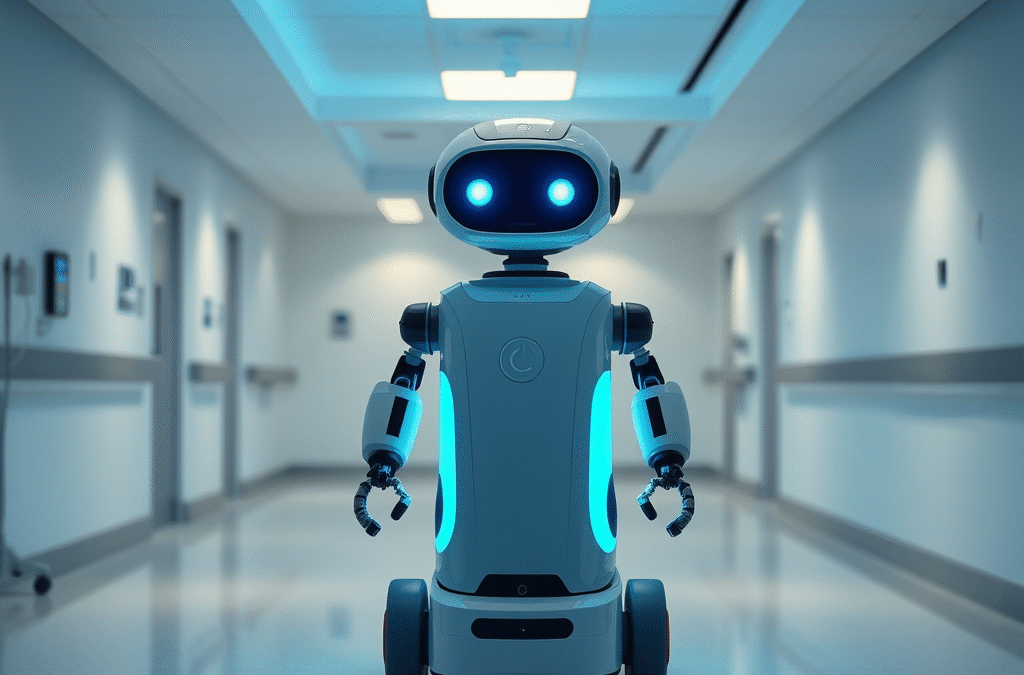
| Mobile robot | Large, open areas | Hospital corridors, cafeterias |
Features to Look For
- Automated timers – Set cycles without manual start. – Safety sensors – Detect motion and pause emission.
- UV‑C intensity meters – Verify output levels. – Remote monitoring – Track usage via a dashboard.
Budget Considerations
- Entry‑level portable units may start around $2,000.
- Mid‑range ceiling units range $5,000–$10,000.
- High‑end robotic systems can exceed $50,000.
- Factor in maintenance costs and expected infection‑rate savings when budgeting.
Real‑World Examples of UVC Success
- Case Study A: A 500‑bed teaching hospital reduced C. difficile infections by 30% after installing ceiling‑mounted UVC in all patient rooms.
- Case Study B: An outpatient surgery center cut surgical site infections by 40% using a portable UVC cart for pre‑operative rooms.
- Case Study C: A VA medical center implemented UVC robots in the ICU and saw a 25% drop in ventilator‑associated pneumonia cases.
These examples show that HAI prevention technology employing UVC can deliver measurable results when properly integrated.
Challenges and Limitations
- Shadowing: Items that block light can leave surfaces under‑disinfected.
- Device variability: Not all UVC sources deliver the same intensity; verification is essential.
- Human error: Skipping safety steps can expose staff to eye or skin injury.
- Cost barriers: Small clinics may find upfront investment challenging.
- Regulatory compliance: Some jurisdictions require health‑department approval for UVC installations.
Future Trends in UVC HAI Prevention Technology
- Smart UVC systems that adjust intensity based on real‑time air quality sensors.
- Hybrid approaches combining UVC with antimicrobial coatings for added protection.
- AI‑driven scheduling that predicts peak infection‑risk periods and automates disinfection.
- Miniaturized UVC emitters for integration into medical devices themselves, such as catheters and endoscopes.
Practical Takeaways for Beginners
- Start small. Pilot a portable UVC unit in one unit before expanding.
- Train everyone. Safety is the top priority; a brief hands‑on session can prevent accidents.
- Combine methods. Use UVC alongside manual cleaning for optimal coverage.
- Track outcomes. Record infection rates before and after UVC implementation to prove value.
- Stay updated. The field of HAI prevention technology evolves quickly; keep an eye on new research and device releases.
Final Thoughts
Reducing hospital‑acquired infections is a critical goal for every healthcare facility.
UVC technology offers a powerful, chemical‑free, and fast way to reduce hospital‑acquired infections and strengthen overall infection control.
By understanding how UVC works, selecting the right equipment, and following strict safety protocols, hospitals can harness this HAI prevention technology to protect patients, save money, and improve outcomes.
The journey starts with a single step: a pilot program, a safety briefing, and a commitment to modernize cleaning practices.
FAQs
What is the main benefit of using UVC to reduce hospital‑acquired infections?
UVC kills germs quickly without chemicals, providing an extra layer of disinfection that can lower infection rates.
How long does a typical UVC disinfection cycle take?
Most cycles last between 5 and 30 minutes, depending on room size and device intensity.
Is UVC safe for use around patients and staff?
When proper safety steps are followed—such as evacuating the room, wearing protective eyewear, and using motion‑sensing safety features—UVC is safe and effective.
Do I need to stop traditional cleaning when using UVC?
No. UVC should complement, not replace, regular cleaning. Surfaces must be cleaned first to remove organic material that can block UVC light.
Can UVC be used on all hospital surfaces?
UVC works on most hard, non‑porous surfaces. Porous fabrics and materials that absorb light may not receive adequate exposure.
What type of UVC device is best for a small clinic?
A portable UVC cart is often the most cost‑effective choice for smaller settings, allowing easy movement between rooms.
How often should UVC bulbs be replaced?
Manufacturers typically recommend replacement after 1,000–2,000 hours of use, or when intensity drops below optimal levels.
Do UVC devices require special ventilation?
No special ventilation is needed, but the treated room should be sealed during cycles to prevent stray UV exposure.
How can I verify that UVC has effectively disinfected a room?
Use surface or air sampling kits designed for post‑UVC verification, or rely on device‑built intensity meters that confirm proper dosage.
Are there any regulatory approvals required for UVC devices in hospitals? Many UVC systems are cleared by health regulatory bodies as “disinfection equipment,” but local requirements can vary; always check with your institution’s compliance office.
What future advancements can we expect in UVC HAI prevention technology? Expect smarter sensors, AI‑driven scheduling, and integration of UVC into medical devices for continuous protection.
For more tips, check out our guide on related topics you should know about.