
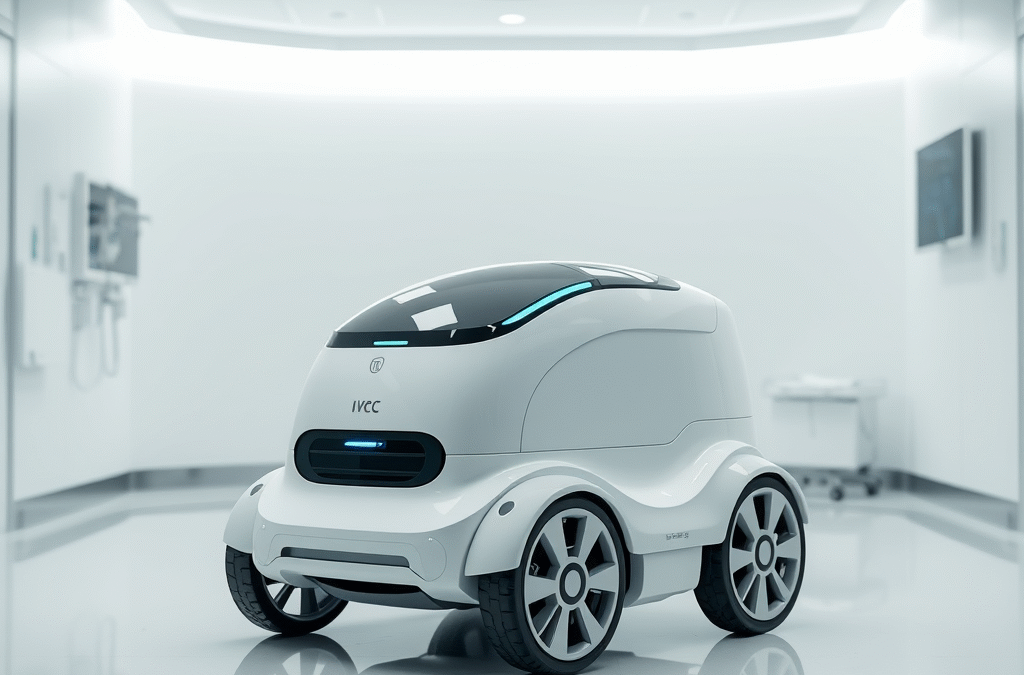
UVC Disinfection in ICU, UVC Disinfection in ICU, and Operating Room Sterilization UV: Best Practices – disinfection disinfection operating
UVC disinfection in ICU settings and operating room sterilization UV can keep patients safe when you follow clear best practices. This guide explains how to choose the right robot, set up the space, position the light, protect staff, run cycles, and check results. Simple steps and practical tips help beginners use UVC robots confidently and safely.
Table of Contents
- UVC Disinfection in ICU, UVC Disinfection in ICU, and Operating Room Sterilization UV: Best Practices – disinfection disinfection operating
- Understanding UVC Disinfection
- Preparing the Environment
- Choosing the Right UVC Robot
- Step‑by‑Step Operation Guide
- Safety Precautions
- Monitoring and Validation
- Common Mistakes to Avoid
- Future Trends and Tips
- Practical Takeaways
- FAQs
Understanding UVC Disinfection
What Is UVC Light
UVC is a type of ultraviolet light that kills germs. It works by damaging the DNA of bacteria and viruses. When the DNA is broken, the microbes can no longer multiply. This makes UVC a powerful tool for cleaning surfaces, air, and equipment.
How UVC Differs From Other Disinfection Methods
- Chemical cleaners need contact time and can leave residues.
- Heat sterilization cannot reach all areas of a room.
- UVC robots reach shadows and can disinfect a whole room in minutes.
Why UVC Is Used in ICU and Operating Rooms
ICU and OR environments have many vulnerable patients. Surfaces can hold harmful pathogens for hours. UVC disinfection adds an extra layer of protection without extra labor.
Preparing the Environment
Assessing Room Layout
- Map high‑touch surfaces such as bedside rails, monitors, and IV poles.
- Identify obstacles like curtains, furniture, or medical equipment that may block the light.
- Mark the central spot where the robot will start its cycle.
Sealing the Room
- Close all doors and windows.
- Turn off HVAC systems that might circulate air during the cycle. – Post a clear “UVC in Use – Do Not Enter” sign on the entrance.
Setting Up Reflective Surfaces
- Place white sheets or aluminum foil on walls if the room is dark.
- This boosts UVC intensity and improves coverage.
Choosing the Right UVC Robot
Key Features to Look For
- Automated navigation with obstacle detection.
- Adjustable dosage settings to match room size.
- Built‑in safety sensors that stop emission if a person enters.
- Data logging for cycle time and dosage tracking.
Matching Robot Capacity to Room Size
| Room Size (sq ft) | Recommended UVC Power (mW/cm²) |
|——————-|———————————|
| 100–200 | 2–3 |
| 201–400 | 4–5 |
| 401–600 | 6–7 |
| 601+ | 8+ |
Budget Considerations
- Low‑cost models work for small ICU rooms.
- High‑end robots are better for large OR suites with complex layouts.
Step‑by‑Step Operation Guide
1. Prepare the Robot
- Charge the battery fully.
- Install the latest firmware.
- Load the room profile (size, ceiling height).
2. Position the Robot
- Place the robot at the marked central spot. – Ensure at least 3 ft clearance from walls for optimal spread.
3. Activate Safety Checks
- Verify that the “Do Not Enter” sign is visible.
- Confirm that all motion sensors are active.
4. Start the Disinfection Cycle
- Press the start button.
- The robot will rotate and emit UVC at preset intensity.
- Typical cycle time is 10–15 minutes for a standard ICU room.
5. End of Cycle Protocol- Wait for the robot to finish and announce completion.
- Allow a 5‑minute settle time before re‑entering.
- Document the cycle data in the infection control log.
Safety Precautions
Protecting Staff and Patients
- Never look directly at UVC light. Use protective eyewear if accidental exposure occurs.
- Only trained personnel should operate or supervise the robot.
- Keep the room sealed until the cycle ends and the settle time passes.
Handling Unexpected Interruptions
- If a door opens during the cycle, the robot’s safety sensor should stop emission automatically.
- Pause the cycle, reseal the room, and restart from the beginning.
Cleaning the Robot After Use- Wipe the exterior with a damp cloth.
- Avoid spraying liquids directly onto the UVC emitters.
- Store the robot in a clean, dry area.
Monitoring and Validation
Tracking Effectiveness
- Use a spore test on a high‑risk surface before and after the cycle.
- Record the presence or absence of growth for quality control.
Reviewing Log Data
- Review dosage logs weekly to ensure the robot is delivering the correct dose.
- Adjust settings if the room size or occupancy changes.
Auditing Results- Compare pre‑ and post‑UVC swab cultures.
- Aim for a ≥99 % reduction in colony‑forming units.
Common Mistakes to Avoid
- Skipping the room seal. Open doors let UVC escape and reduce effectiveness.
- Placing the robot too close to walls. This creates dark zones where pathogens linger.
- Overlooking reflective surfaces. Dark walls absorb UVC and lower overall dose.
- Using the robot on a dirty surface. Pre‑clean surfaces with approved disinfectants first.
- Ignoring maintenance. Dust on the emitters reduces output and can cause overheating.
Future Trends and Tips
- AI‑guided navigation will allow robots to map rooms dynamically and adjust dosage in real time.
- Hybrid systems that combine UVC with hydrogen peroxide vapor are gaining popularity for added efficacy.
- Wireless monitoring lets infection control teams track cycles from a central dashboard.
- Training simulators using virtual reality help staff practice without exposing patients.
Practical Takeaways
- Start with a small pilot in one ICU room before expanding to the whole unit.
- Create a checklist for each step: seal, position, start, settle, log.
- Train all staff on safety and proper robot handling.
- Document every cycle to build a data‑driven infection control program.
FAQs
What is UVC disinfection in ICU?
UVC disinfection in ICU uses ultraviolet‑C light to kill germs on surfaces, air, and equipment without chemicals.
How does operating room sterilization UV work?
Operating room sterilization UV works by bathing the surgical space with UVC light, destroying bacteria and viruses on exposed surfaces.
Is UVC disinfection safe for ICU rooms?
Yes, when the room is sealed, staff stay out, and safety sensors are active, UVC disinfection is safe and effective.
How long does a typical UVC cycle take?
A typical UVC cycle in an ICU room takes about 10–15 minutes, followed by a short settle period.
Do I need to clean surfaces before using a UVC robot?
Yes, pre‑cleaning removes organic material that can shield pathogens from UVC light.
Can UVC robots be used on all hospital surfaces?
UVC works best on exposed flat surfaces; hard‑to‑reach areas may need manual cleaning.
What maintenance does a UVC robot require?
Regular checks of emitters, battery health, firmware updates, and cleaning of exterior dust are essential.
How is the effectiveness of UVC measured? Effectiveness is measured with spore tests and swab cultures before and after cycles.
Are there any side effects of UVC exposure? Direct exposure can cause skin irritation and eye damage; safety interlocks prevent this.
Can UVC be used alongside chemical disinfectants? Yes, UVC can complement chemical cleaning but should not replace thorough pre‑cleaning.
What size of UVC robot do I need for a large OR?
For a large OR (400 sq ft or more), choose a robot with higher power output and programmable dosage.
How often should UVC disinfection be performed in ICU?
UVC disinfection is typically done after each patient discharge or at the end of each shift.
Is training required to operate a UVC robot?
Yes, staff must complete a short training module covering setup, safety, and cycle documentation.
For more tips, check out our guide on related topics you should know about.